Monday, October 27, 2025

Digital Recruiting in Emerging Markets: Challenges and Opportunities

Finding great people for your team has changed dramatically. Traditional methods like newspaper ads are being replaced by modern approaches. Companies now use online platforms to connect with potential hires.

This shift is especially important in growing markets like Germany. The country’s strong economy demands innovative hiring solutions. Digital tools help businesses reach more qualified candidates than ever before.

These new methods offer both exciting possibilities and unique hurdles. Understanding both sides helps companies build stronger teams. The right approach combines technology with personal connection.

Key Takeaways

  • Modern hiring uses online platforms instead of traditional methods
  • Germany’s growing market needs innovative recruitment solutions
  • Digital tools help reach more qualified candidates
  • Online recruiting presents both opportunities and challenges
  • Successful hiring blends technology with personal touch
  • Social media and other channels expand talent search
  • Employer branding through digital means attracts better applicants

Understanding the Digital Recruitment Landscape

Today’s approach to building teams leverages technology to create more efficient and effective hiring pipelines with the help of agencies like glow-careers.de. The transformation from traditional methods represents a fundamental shift in how organizations connect with potential hires.

This evolution began with simple online job postings. It has grown into comprehensive systems that manage the entire hiring journey. Modern platforms now handle everything from initial contact to final selection.

Contemporary recruiting tools include applicant tracking systems that streamline the entire process. These platforms automatically post openings across multiple job boards simultaneously. They also manage incoming applications and communication with potential hires.

Multi-posting solutions save significant time for hiring teams. They ensure broader visibility for each position across various channels. This approach reaches passive candidates who might not actively seek new opportunities.

The 2025 landscape features advanced technologies like artificial intelligence. AI-powered tools can screen resumes and identify the most qualified applicants. Mobile optimization ensures candidates can apply from any device seamlessly.

Traditional methods relied heavily on newspaper ads and physical applications. Digital approaches offer superior reach and cost-effectiveness. They provide valuable data analytics that inform better hiring decisions.

Modern sourcing techniques use sophisticated algorithms to find ideal matches. Screening processes have become more efficient through automated assessments. Selection methods now incorporate video interviews and virtual evaluations.

Recruiters today need different skills than their predecessors. Data analysis and technology proficiency have become essential capabilities. Relationship building remains crucial despite the digital transformation.

Metrics and analytics now drive strategic hiring decisions. Companies track conversion rates and time-to-hire statistics. This data helps optimize the entire talent acquisition process.

Global talent acquisition has become more accessible through digital platforms. Borderless hiring allows organizations to source from international markets. This expands the potential candidate pool significantly.

Various industries have successfully implemented these modern approaches. Technology companies were early adopters of innovative recruiting methods. Traditional sectors like manufacturing now embrace these tools as well.

The most successful organizations blend technology with human insight to create exceptional hiring experiences.

This comprehensive approach to talent acquisition represents the future of building strong teams. It combines efficiency with personal connection to attract top performers.

Why Germany’s Market Demands a Digital-First Approach

Germany’s competitive business environment necessitates advanced talent sourcing methods. The country faces a significant skilled worker shortage that affects multiple industries. This challenge requires innovative solutions to connect companies with qualified professionals.

Demographic changes compound these workforce challenges. Germany’s aging population means fewer young people entering the job market each year. Companies must work harder to attract and retain top performers.

A modern, high-tech office space with clean lines and minimalist design. In the foreground, a group of young professionals, dressed in business attire, engage in animated discussions around a sleek conference table. Soft, diffused lighting from overhead fixtures casts a warm glow, creating an atmosphere of productivity and collaboration. In the middle ground, a large, interactive digital display dominates the scene, showcasing cutting-edge recruitment software and analytics dashboards. Subtle branding elements and corporate iconography hint at Germany's technological prowess and commitment to digital transformation. The background features floor-to-ceiling windows, offering a panoramic view of the bustling urban landscape beyond, symbolizing Germany's position as a global economic powerhouse and a hub for digital innovation.

Modern hiring strategies help address these unique workforce needs. Technology-enabled approaches expand reach beyond traditional local sourcing. They enable connections with candidates across Germany and internationally.

Companies adopting these advanced methods gain significant competitive advantages. They can fill positions faster with better-qualified people. This speed and quality improvement directly impacts business performance.

Germany’s strict data protection laws require careful consideration in hiring processes. The GDPR regulations govern how companies handle candidate information. Organizations must ensure their approaches comply with these requirements.

Cultural factors also influence success with modern hiring in Germany. German candidates often value transparency and thorough processes. They appreciate clear communication throughout the application journey.

Traditional Approach Modern Technology Approach
Local newspaper advertisements Multi-platform job postings
Manual application processing Automated candidate screening
Limited candidate pool National and international reach
Higher cost per hire Reduced hiring expenses
Longer time to fill positions Faster hiring cycles

Language and cultural barriers can challenge international hiring efforts. Technology tools help bridge these gaps through translation features and cultural insights. They enable smoother communication between companies and global candidates.

The economic benefits of modern hiring approaches are substantial. Companies report significant cost reductions through automated processes. Efficiency gains also translate to better resource allocation.

Germany’s transition toward flexible work arrangements supports these approaches. Remote work options expand the potential candidate pool dramatically. Technology enables effective management of distributed teams.

German companies using advanced hiring methods report 40% faster filling of positions and 30% cost reduction compared to traditional approaches.

German Federal Employment Agency Report, 2024

Adoption rates for these methods continue growing across German industries. Technology sectors lead this transformation, but traditional industries are catching up. Success stories demonstrate measurable improvements in hiring outcomes.

Future trends point toward increased automation and artificial intelligence integration. Predictive analytics will help identify candidates who fit both skills and culture requirements. These developments will further enhance hiring effectiveness.

The German market’s unique characteristics make technology-driven approaches essential. Companies that embrace these methods position themselves for success in a competitive landscape. They build stronger teams that drive business growth.

Core Advantages of Shifting Your Recruitment Online

Moving your hiring process to online platforms brings multiple benefits. These advantages help organizations find better people faster. They also save money while improving results.

Cost savings represent a major benefit of modern hiring methods. Traditional newspaper ads and agency fees add up quickly. Online job boards and social media channels cost significantly less.

Companies report saving 40-60% on hiring expenses. These savings come from reduced advertising costs and faster processing. Automated screening tools further cut operational expenses.

Geographical limitations disappear with online approaches. You can reach qualified people across Germany and beyond. This expands your potential candidate pool dramatically.

Time efficiency improves through streamlined workflows. Automated systems handle repetitive tasks instantly. Recruiters can focus on connecting with top applicants.

Data analytics provide valuable insights for better decisions. Tracking metrics helps optimize your entire hiring process. You can identify what works and what needs improvement.

Brand building opportunities multiply through digital channels. Your company culture and values reach more people. This attracts applicants who align with your organization.

Diversity and inclusion benefit from broader reach. Online platforms help reduce unconscious bias in screening. They connect you with candidates from varied backgrounds.

Scalability advantages support business growth. Your hiring system can handle increased volume without added stress. This flexibility helps during expansion periods.

Environmental benefits include reduced paper usage. Virtual interviews cut travel requirements significantly. These green initiatives appeal to modern applicants.

Organizations using online hiring methods fill positions 50% faster with 35% better candidate quality matches.

European Hiring Efficiency Report, 2024

Return on investment becomes clearly measurable. Performance metrics show concrete improvements in hiring outcomes. These results justify the transition to digital methods.

Competitive advantages emerge through superior hiring. Faster cycles mean grabbing top talent before competitors. Better matches improve team performance and retention.

The transition to online recruiting brings comprehensive benefits. It transforms how organizations connect with potential team members. These advantages make the shift essential for modern businesses.

Implementing a Robust Digital Employee Recruitment Strategy

Building an effective hiring system requires careful planning and execution. A well-designed approach helps organizations attract the right people efficiently. This process involves multiple interconnected components working together.

Start by analyzing your current methods. Identify strengths and weaknesses in your existing approach. Look for areas where technology can improve efficiency and results.

Define your target audience clearly. Understand who you want to reach and where they spend time online. This knowledge guides your channel selection and content creation.

Develop your employer brand messaging. Showcase what makes your organization unique and attractive. Consistent branding across all platforms builds recognition and trust.

A dimly lit office, the walls adorned with motivational posters and whiteboards covered in colorful diagrams. In the foreground, a team of professionals huddled around a table, laptops open, discussing strategies and data points. Soft lighting casts a warm glow, creating an atmosphere of focused collaboration. In the middle ground, a large screen displays a presentation with graphs and charts, illustrating the implementation process. In the background, a window overlooking a bustling cityscape, a symbol of the broader digital landscape. The overall scene conveys a sense of purposeful action, a strategic approach to employee recruitment in emerging markets.

Select appropriate technology solutions based on your needs. Consider company size, industry specifics, and budget constraints. Choose tools that integrate smoothly with existing systems.

Create a detailed implementation timeline. Break the process into manageable phases with clear milestones. Assign responsibilities and set realistic deadlines.

Prepare your team for the transition. Provide comprehensive training on new tools and processes. Address concerns and demonstrate benefits clearly.

Establish key performance indicators to measure success. Track metrics that matter most to your organization. Use this data to refine and improve your approach.

Implementation Phase Key Activities Timeline Success Metrics
Assessment & Planning Process analysis, tool selection, budget planning 2-4 weeks Gap identification, cost projections
System Integration Tool implementation, HR system connection, testing 4-6 weeks Integration success rate, system performance
Team Training Software training, process education, support setup 2-3 weeks Training completion, proficiency scores
Full Implementation Process migration, live operation, monitoring Ongoing Hiring speed, candidate quality, cost reduction
Optimization Performance review, process refinement, scaling Quarterly Continuous improvement metrics

Allocate resources appropriately for implementation. Budget for software costs, training expenses, and potential consulting services. Consider both initial investment and ongoing maintenance costs.

Manage change effectively within your organization. Communicate benefits clearly to all stakeholders. Address resistance through education and demonstrated results.

Develop contingency plans for common challenges. Prepare solutions for technical issues or team adaptation problems. Flexibility ensures smoother transitions during implementation.

The most successful implementations combine technological excellence with human-centered change management.

HR Technology Implementation Guide, 2024

Monitor progress against your established timeline and metrics. Adjust your approach based on real-world performance data. Continuous improvement should become part of your organizational culture.

Celebrate successes and share positive results with your team. Recognition builds momentum for ongoing adoption and optimization. Success stories also help attract better applicants.

Remember that implementation represents just the beginning. Regular reviews and updates keep your approach effective over time. Stay informed about new technologies and best practices.

Leveraging Social Media and Digital Channels for Recruitment

Social platforms have transformed how organizations connect with potential team members. These networks provide unprecedented access to diverse talent across Germany and beyond. Smart companies use these channels to build relationships before positions even open.

Each platform serves different purposes in the hiring process. LinkedIn excels for professional networking and industry-specific searches. Facebook groups help reach local communities and specialized skill sets.

Instagram and Twitter showcase company culture through visual storytelling. Xing remains particularly valuable for German-speaking professionals. A multi-platform approach ensures maximum reach and engagement.

Effective social media campaigns target specific demographics precisely. Age, location, education level, and professional interests guide content creation. This focused approach delivers better results than broad, generic messaging.

Content that attracts ideal candidates shows real workplace experiences. Behind-the-scenes videos introduce team members and daily operations. Office tours and project highlights demonstrate authentic company culture.

  • Share employee success stories and career progression examples
  • Post team achievements and company milestones regularly
  • Create content that reflects organizational values and mission
  • Use employee-generated content for authentic perspectives
  • Highlight professional development opportunities and benefits

Building relationships requires consistent, meaningful engagement. Respond promptly to comments and messages from potential applicants. Join relevant industry conversations to establish thought leadership.

Analytics tools measure campaign effectiveness through clear metrics. Track application rates, engagement levels, and source quality. This data helps refine strategies and allocate resources wisely.

Brand consistency across channels creates professional recognition. Use uniform visuals, messaging tones, and response protocols. Candidates should experience the same organizational identity everywhere.

Paid advertising expands reach to passive candidates not actively searching. Precise targeting options ensure ads reach people with relevant skills and experience. Budget control features prevent overspending.

Companies with strong social media presence receive 30% more applications from qualified candidates than those relying solely on traditional methods.

Social Media Hiring Report 2024

Employee advocacy programs leverage existing team networks. Encourage staff to share job openings and company content. Their authentic endorsements carry more weight than corporate messaging.

Professional communication maintains positive candidate experiences. Respond to all inquiries promptly and personally. Even rejection messages should leave doors open for future opportunities.

Successful campaigns combine creative content with strategic targeting. They build communities rather than just filling immediate openings. This long-term approach creates sustainable talent pipelines.

German companies particularly benefit from local platform expertise. Understanding cultural nuances improves engagement and response rates. Language preferences and communication styles vary across regions.

Regular evaluation ensures continuous improvement of social strategies. Compare performance across platforms and content types. Adjust approaches based on what delivers the best results.

These channels offer cost-effective alternatives to traditional advertising. They provide direct access to qualified professionals at various career stages. The right approach turns social networks into powerful hiring tools.

Optimizing the Application and Screening Process

Streamlined screening methods separate top performers from average applicants effectively. These approaches transform how organizations identify the best people for their teams. The right tools make this complex task surprisingly simple.

Applicant Tracking Systems revolutionize hiring workflows. They automate tasks from job posting to interview scheduling. These platforms handle large applicant pools with remarkable efficiency.

Optimizing the online application journey starts with simplicity. Reduce form fields to essential information only. Mobile-friendly designs ensure candidates can apply from any device.

Process simplification dramatically reduces application abandonment. Candidates appreciate quick, intuitive application experiences. Every extra click increases the chance of losing qualified people.

Automated screening uses artificial intelligence for initial evaluations. Machine learning algorithms identify patterns in successful applications. This technology spots promising candidates instantly.

  • Remove unnecessary qualification requirements
  • Enable resume parsing for automatic data entry
  • Implement progress indicators during longer forms
  • Offer save-and-continue options for complex applications
  • Provide clear time estimates for completion

Assessment tools evaluate both technical abilities and cultural alignment. Standardized tests measure specific skills accurately. Personality assessments help determine team fit.

Communication automation keeps applicants informed throughout their journey. Automated updates prevent candidates from wondering about their status. Timely responses show respect for people’s time.

Efficient interview scheduling systems save hours for everyone involved. Self-scheduling options let candidates choose convenient times. Calendar integrations prevent double-booking conflicts.

Companies using automated screening report 60% faster processing with 45% better candidate matches.

HR Technology Efficiency Report 2024

Feedback collection mechanisms provide valuable improvement insights. Post-application surveys identify pain points in the process. Candidate suggestions often reveal simple fixes.

System integration connects application platforms with other HR technologies. Seamless data flow eliminates manual information transfer. Unified systems provide comprehensive candidate views.

Performance metrics track application process effectiveness. Monitor conversion rates from view to application. Track completion rates across different devices and platforms.

Maintaining engagement during extended processes requires thoughtful communication. Regular updates prevent candidate drop-off even when decisions take time. Personalized messages show genuine interest in each applicant.

Advanced screening tools can parse resumes for keywords and experience levels. These systems identify prospects most likely to succeed long-term. They reduce turnover by matching the right people to the right roles.

Best practices include developing accurate job descriptions with relevant keywords. Update position requirements as roles evolve over time. Clear descriptions attract better-matched applicants from the start.

Continuous improvement should become part of your organizational culture. Regular process reviews identify opportunities for enhancement. Small adjustments often deliver significant results.

These optimized approaches benefit both organizations and candidates. Companies find better people faster while reducing costs. Applicants enjoy smoother, more respectful experiences.

Harnessing the Power of Recruitment Technology and Tools

Modern hiring solutions transform how organizations find and connect with top talent. These specialized platforms streamline every step from initial contact to final selection. They create efficient workflows that save time and resources.

Multi-posting solutions distribute job openings across multiple platforms simultaneously. This approach maximizes visibility and reach for each position. It ensures broader exposure to potential candidates.

Career website builders help companies create attractive, professional pages. These sites showcase organizational culture and values effectively. They serve as central hubs for potential applicants.

Social media tools expand reach through targeted campaigns. They connect organizations with passive candidates not actively searching. These platforms build relationships before positions open.

Automated chatbots handle initial candidate communication instantly. They answer common questions and collect basic information. This technology provides 24/7 availability for inquiries.

  • Applicant management systems organize and track candidate progress
  • Video interview platforms enable remote assessments
  • Online evaluations measure skills and cultural alignment
  • Onboarding software simplifies new hire integration
  • Feedback systems gather valuable improvement insights

Choosing the right technology requires careful consideration of organizational needs. Company size, industry specifics, and budget constraints guide selection. Integration capabilities with existing systems are crucial.

Artificial intelligence revolutionizes candidate sourcing and screening. Machine learning algorithms identify patterns in successful applications. These tools predict which candidates will perform best long-term.

Automation opportunities exist throughout the hiring journey. Repetitive tasks like scheduling and initial screening become instantaneous. This efficiency allows teams to focus on personal connections.

Organizations using integrated technology ecosystems report 50% faster hiring cycles with 40% better candidate matches.

HR Technology Impact Study 2024

Data security remains paramount when implementing these solutions. German GDPR regulations require strict compliance with privacy standards. Vendors must demonstrate robust security protocols.

Return on investment calculations consider multiple factors. Cost savings from reduced advertising and faster processing contribute significantly. Improved hire quality and retention provide long-term value.

Successful implementations show measurable improvements across key metrics. One manufacturing company reduced time-to-hire by 45% using integrated platforms. A technology firm improved candidate quality matches by 35%.

Vendor selection involves evaluating features, support, and scalability. Negotiation should focus on long-term partnership value rather than just initial cost. Trial periods help assess fit before commitment.

Future trends point toward increased personalization through technology. Predictive analytics will identify candidates who fit both skills and culture requirements. These advancements will further enhance hiring effectiveness.

These technological solutions benefit both organizations and candidates. Companies find better people faster while reducing operational costs. Applicants enjoy smoother, more responsive experiences throughout their journey.

Creating a Seamless and Positive Candidate Experience

Every interaction during the hiring journey shapes how people view your organization. A smooth, respectful process builds strong connections even before someone joins your team. This attention to detail often determines whether top talent accepts your offer.

Personalized communication makes applicants feel valued as individuals. Use their names in messages and reference specific aspects of their background. This approach shows genuine interest beyond just filling a position.

Timing matters greatly in maintaining engagement. Respond to applications within 48 hours to show respect for people’s time. Regular updates prevent candidates from wondering about their status.

Technology tools enhance personalization through automation. Chatbots provide instant answers to common questions at any hour. They guide applicants through forms and collect basic information efficiently.

Companies providing exceptional candidate experiences see 70% higher offer acceptance rates and significantly improved employer brand perception.

Candidate Experience Report 2024

Accessibility considerations ensure inclusive experiences for all applicants. Offer multiple formats for content and accommodate different needs. This approach demonstrates commitment to diversity from the first contact.

Transparent processes build trust throughout the journey. Clearly explain each step and expected timelines. Share information about team structure and what to expect in interviews.

Feedback collection provides valuable improvement insights. Post-interview surveys identify what worked well and what needs refinement. Acting on this input shows candidates their opinions matter.

Measurement metrics help track experience quality. Monitor application completion rates and candidate satisfaction scores. These indicators reveal opportunities for enhancement.

Leading organizations excel through small but meaningful touches. They send personalized rejection messages that maintain future possibilities. Their communication remains consistent across all channels.

The relationship between positive experiences and offer acceptance is clear. People choose companies that treat them with respect throughout the process. This advantage becomes crucial in competitive markets.

Continuous improvement should focus on candidate perspectives. Regularly review feedback and adjust approaches accordingly. Small enhancements often deliver significant results in experience quality.

Measuring Success and Continuously Improving Your Process

Tracking key metrics transforms how organizations refine their approach to finding talent. Data-driven insights reveal what works and what needs adjustment. This continuous improvement cycle builds stronger hiring systems over time.

Essential metrics include time-to-fill and cost-per-hire calculations. These numbers show efficiency and financial performance clearly. Sourcing channel effectiveness reveals where top candidates originate.

Conversion rates track progress from application to offer acceptance. Quality of hire measurements assess long-term performance and retention. These indicators provide comprehensive performance views.

Establish clear benchmarks based on industry standards and organizational goals. Compare current performance against past results and competitor data. Realistic targets motivate teams and guide improvement efforts.

Data collection tools automate metric tracking seamlessly. Applicant tracking systems capture time-to-fill and source effectiveness automatically. Survey software gathers candidate and hiring manager feedback.

Organizations using data-driven approaches achieve 30% faster improvement in hiring outcomes compared to those relying on intuition alone.

Hiring Analytics Report 2024

Reporting dashboards visualize data for easy understanding. Color-coded graphs show performance against targets clearly. Customizable views allow different stakeholder perspectives.

Bottleneck identification becomes straightforward with proper analytics. Long delays at specific stages signal process improvements needed. High drop-off rates indicate candidate experience issues.

A/B testing experiments with different approaches systematically. Try alternative job descriptions or application form lengths. Measure results to identify most effective variations.

Data-driven strategies adjust based on performance evidence. Allocate more resources to channels delivering quality hires. Reduce investment in underperforming methods.

The PDCA cycle (Plan-Do-Check-Act) provides structured improvement methodology. Plan changes, implement them, check results, and adjust accordingly. This scientific approach ensures continuous progress.

Stakeholder communication presents findings in actionable formats. Focus on business impact rather than just statistical data. Connect improvements to organizational goals clearly.

Regular review cycles maintain momentum for ongoing enhancement. Monthly performance reviews identify quick wins. Quarterly deep dives explore strategic adjustments.

These practices create self-improving hiring systems that adapt to changing market conditions. They ensure organizations always use the most effective methods available.

Taking Your Digital Recruitment Strategy to the Next Level

Your hiring approach should always evolve to attract top talent. Staying current with new tools and methods keeps your process competitive. This ensures you connect with the best people effectively.

Advanced techniques like social sourcing and mobile-friendly applications matter. They help reach candidates where they spend time. These methods improve both reach and engagement.

Ethical considerations remain crucial when using new technologies. Always prioritize fairness and transparency in your selection process. Building trust leads to stronger candidate relationships.

Continuous learning and adaptation drive long-term success. Monitor trends and adjust your methods accordingly. This proactive approach builds a sustainable talent pipeline.

The post Digital Recruiting in Emerging Markets: Challenges and Opportunities first appeared on AddisTribune - Africa and Worldwide News.


from
https://addistribune.com/digital-recruiting-in-emerging-markets-challenges-and-opportunities/


Saturday, September 27, 2025

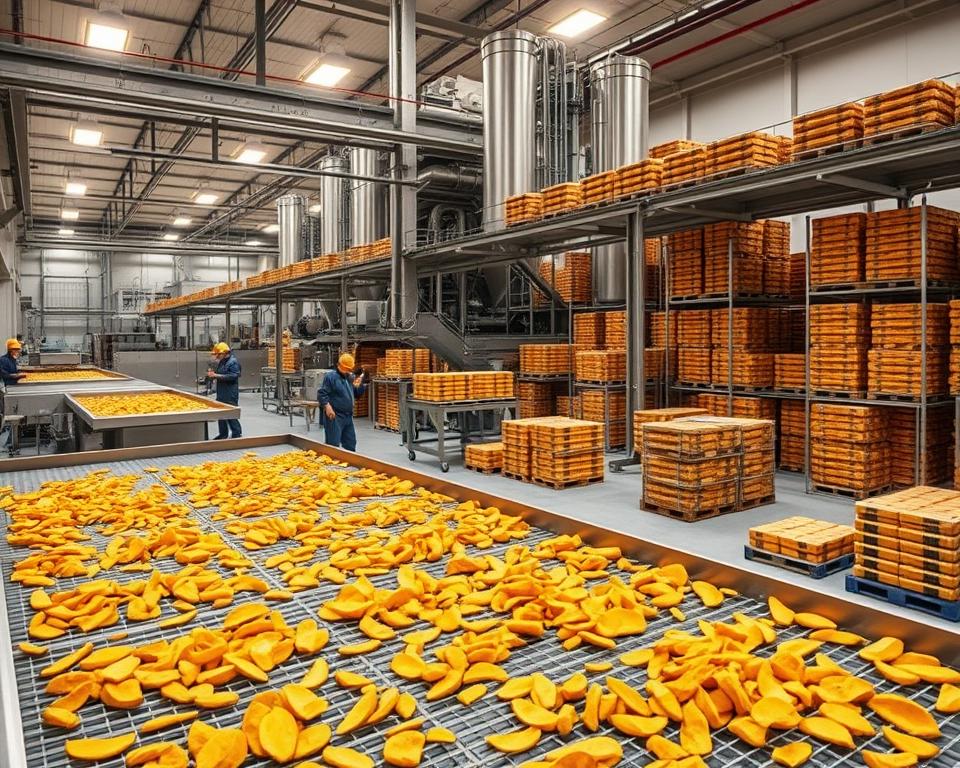
Inside a Dried Mango Factory: Step-by-Step Production Process

The making of dried mango is a detailed process. It turns fresh mangoes into a tasty and healthy snack. The journey starts with picking the best mangoes. Then, they go through many steps to become the dried mango we love.

Learning about the production process shows the hard work in making dried mangoes. For a full view, check out a guide on dried mango production. It explains everything from washing and peeling to drying and packaging.

Key Takeaways

  • The production process involves several stages from sourcing fresh mangoes to packaging.
  • Mangoes are sorted based on size, quality, and ripeness before processing.
  • Drying methods include hot air drying and freeze drying to preserve flavor and nutrients.
  • Quality control checks ensure the dried mango meets the factory’s standards.
  • Airtight packaging protects the dried mango from moisture and contamination.

The Dried Mango Industry in Vietnam

Vietnam is a big player in the global dried fruit market. Its dried mango industry is a key part of this success. The country’s good climate and growing demand from abroad help a lot.

Economic Impact and Regional Production Hubs

The dried mango factory is very important for Vietnam’s economy. It helps a lot of people in rural areas. The Mekong Delta and southern regions are the main places for mango farming.

Vietnam’s Position in the Global Dried Fruit Market

Vietnam is a top exporter of dried fruits. Its mango products are popular because of their quality and price.

Export Statistics and Growth Trends

Export numbers for Vietnam’s dried mango have been going up. There’s been a big increase in demand from Asia, Europe, and North America.

Year Export Volume (tons) Growth Rate (%)
2020 10,000
2021 12,000 20%
2022 15,000 25%

Key International Markets

Vietnam sends its dried mango to many places. The European Union, the United States, and Asia are big buyers.

Mango Varieties Used for Drying in Vietnam

In Vietnam, mango drying focuses on Cat Hoa Loc and Cat Chu. These mangoes are chosen for drying because of their special qualities.

Characteristics of Preferred Varieties

The Cat Hoa Loc and Cat Chu mangoes are loved for their high sugar and strong fiber. This makes them perfect for drying.

Optimal Characteristics for Processing

Several things make mangoes great for drying:

  • Sugar Content: High sugar makes dried mangoes taste better and feel softer.
  • Fiber Structure: A firmer texture is better because it stays strong during drying.

Sugar Content and Fiber Structure

Mangoes with more sugar get sweeter when dried. Their fiber must be strong to stay firm after drying.

Ripeness Indicators

It’s important to pick ripe mangoes. Too green ones lack flavor, and too ripe ones are too soft.

mango varieties used for drying

Raw Material Sourcing and Quality Control

Finding top-quality mangoes is key for making great dried mango. Factories in Vietnam team up with local farmers. This way, they get a steady flow of the best mangoes.

Supplier Relationships with Local Farmers

It’s vital to have strong ties with local farmers. This helps get the best raw materials. Here’s how:

  • Regular talks to know what farmers need and face
  • Teaching farmers how to grow mangoes the best way
  • Setting up contract farming to help farmers earn well

Contract Farming Arrangements

Contract farming helps farmers earn reliably. It also makes sure mangoes are always of high quality. The deal outlines how mangoes will be grown, their quality, and price.

Seasonal Considerations

Mango supply changes with the seasons. Factories prepare by:

  • Storing mangoes when they’re plentiful
  • Working with many farmers to manage risk

Initial Quality Assessment Procedures

When mangoes arrive, factories check their quality first. They look at:

  • How ripe and undamaged the mangoes are
  • Testing for sugar and other quality factors

These steps help dried mango factories in Vietnam make top-notch products. They meet global quality standards.

Pre-Processing Operations

Pre-processing is key in making dried mangoes. It prepares the mangoes for drying. This affects the quality of the dried mangoes.

Receiving and Sorting

Mangoes arrive at the factory and are sorted. They are sorted by variety, ripeness, and quality. This sorting is important for a consistent final product.

Washing and Sanitizing Protocols

Mangoes are then washed and sanitized. This removes dirt, bacteria, and contaminants. It’s essential for the safety and cleanliness of the dried mangoes.

Manual Inspection Processes

After washing, mangoes are checked by hand. They are looked at for defects and sorted by ripeness.

Defect Identification

Inspectors find bruises, cuts, and spoilage. Any bad mangoes are taken out of the line.

Ripeness Classification

Mangoes are sorted by how ripe they are. Only the ripest are used next.

  • Receiving and sorting of mangoes
  • Washing and sanitizing to remove contaminants
  • Manual inspection for defects and ripeness classification

Mango Preparation Techniques

Making dried mangoes involves peeling, slicing, and removing seeds. These steps are key to getting a great product. The way you do these steps can change the taste, texture, and quality of the dried mangoes.

Peeling Methods: Manual vs. Mechanical

There are two ways to peel mangoes: by hand or with machines. Peeling by hand is hard work but lets you control the process better. It helps avoid waste and keeps the fruit whole. Machines peel faster and are better for big batches.

Slicing and Size Standardization

After peeling, mango slices are made the same size. This makes sure they dry evenly. The size of the slices depends on what you want the final product to be like. Keeping the sizes the same is important for consistent quality.

Seed Removal Process

Removing mango seeds is a key step done by machines. Seeds are not good to eat and can mess up the drying and texture of the mangoes.

Waste Management and By-product Utilization

Managing waste well is important in mango processing. The peels and seeds can be used for animal food or making special compounds.

Preparation Step Method Importance
Peeling Manual/Mechanical Reduces waste, preserves fruit integrity
Slicing Mechanical Ensures even drying, size standardization
Seed Removal Mechanical Improves drying process, final product texture

Inside a Dried Mango Factory: Equipment and Technology

In a dried mango factory, fresh mangoes turn into dried treats. This magic happens thanks to advanced machines. The mix of old and new methods makes sure the mangoes are top-notch.

Key Processing Equipment

The factory has special machines for each step. These include:

  • Washing systems to clean the mangoes
  • Cutting machinery for slicing and dicing
  • Drying units that use heat and air to dry the mangoes

Washing Systems

Washing systems get rid of dirt and germs. Modern tech makes sure the mangoes are clean without harm.

Cutting Machinery

Cutting machines make mango slices or cubes. They work fast and well, saving fruit and making pieces the same size.

Drying Units

Drying units are key for drying mango slices. They use heat and air to keep the mangoes tasty and healthy.

dried mango factory equipment

Automation vs. Manual Processing in Vietnamese Facilities

Vietnamese factories are using more automation. This makes things faster and more even. But, some steps are done by hand. This is for checking quality and doing delicate tasks.

Processing Method Advantages Disadvantages
Automation High efficiency, consistent quality High initial investment, less flexible
Manual Processing Flexible, good for quality control Labor-intensive, variable quality

Recent Technology Innovations

For the latest on mango processing tech, check out new drying methods and tools.

Drying Methods and Techniques

The drying process is key in making dried mango. It affects the mango’s quality and how long it lasts. In Vietnam, makers use different drying methods to get the right texture and taste. They also try to keep the mango’s nutrients.

Traditional Sun Drying in Rural Operations

In some rural areas of Vietnam, sun drying is used. Mango slices are spread out to dry in the sun. This method is cheap but depends on the weather. It can also be hard to keep clean and consistent.

Modern Dehydration Technology

Most dried mango makers now use modern dehydration tech. This includes many methods that let them control drying better.

Hot Air Drying Systems

Hot air drying is common in Vietnam’s mango industry. It uses hot air to dry mango slices. This keeps the color and taste good. The temperature and air flow can be set to get the same results every time.

Freeze-Drying Applications

Freeze-drying, or lyophilization, is a more advanced method. It freezes mango slices and then removes moisture in a vacuum. This method keeps the mango’s nutrients and texture but uses a lot of energy and costs more.

Temperature and Humidity Control Parameters

It’s important to control temperature and humidity, no matter the drying method. Mango drying usually happens between 50°C to 70°C. Low humidity helps remove moisture.

Drying Time and Quality Indicators

The time it takes to dry mangoes varies. It depends on the method and how dry you want the mango. Good dried mango is chewy, keeps its color, and rehydrates well.

Drying Method Temperature Range Drying Time Quality Indicators
Traditional Sun Drying Ambient 2-5 days Variable texture, possible contamination
Hot Air Drying 50°C – 70°C 6-12 hours Consistent texture, good color
Freeze-Drying -30°C to 50°C 24-48 hours Excellent texture, high nutrition

Flavor Enhancement and Preservation

Flavor enhancement and preservation are key in making top-notch dried mangoes. Both old and new methods are used. This ensures the taste and texture are just right and the product lasts longer.

Natural Sweetening Processes

Natural sweetening is vital for the taste of dried mangoes. Some makers use advanced dehydration techniques. This makes the mangoes sweeter, without using refined sugars.

  • Concentration of natural sugars through dehydration
  • Use of ripe mangoes for better sweetness
  • Avoidance of artificial sweeteners

Preservative Application Methods

Preservatives are added to dried mangoes to make them last longer. The type and how it’s applied depend on the product’s needs.

  1. Use of sulfur dioxide for preservation
  2. Application of natural preservatives like vitamin C
  3. Modified atmosphere packaging to prevent spoilage

Organic Processing Options

For organic dried mangoes, special steps are taken. These steps keep the product organic.

Certification Requirements

To be labeled organic, dried mangoes must meet certain rules. This includes organic farming and no synthetic preservatives.

Market Premium for Organic Products

Organic dried mangoes are more expensive. This is because people see them as better quality and good for the planet.

dried mango production

Quality Assurance Throughout Production

Vietnamese dried mango makers follow strict quality control steps. This makes sure their products meet both local and global standards. Quality checks are done at many important points.

Testing Protocols at Critical Control Points

Factories test their dried mango at different stages. They check for moisture, germs, and other unwanted stuff. This helps catch problems early and avoid bigger issues later.

Food Safety Standards Implementation

Keeping food safe is key in making dried mango. This means following HACCP (Hazard Analysis and Critical Control Points) rules.

HACCP Compliance

HACCP means finding and fixing risks in the making process. It makes sure the mango is safe to eat.

Vietnamese Regulatory Requirements

Vietnamese laws also shape food safety rules. Factories must follow these laws to make safe food.

International Certification Requirements

For mangoes sold abroad, getting international certifications is a must. ISO 22000 or GlobalG.A.P. shows a product’s quality and safety. This makes it more appealing to buyers.

Traceability Systems

Being able to track products is also important. Traceability systems help follow a mango from start to finish. This helps with quality checks and managing recalls.

Vietnamese dried mango makers use these steps to make top-quality products. This boosts their reputation and opens doors to more markets worldwide.

Packaging Systems and Materials

Good packaging is key to keeping dried mangoes fresh. The right packaging helps keep the quality up for a long time.

Packaging Types and Materials

Dried mango packaging comes in many types and materials. Each has its own benefits.

  • Flexible packaging, like pouches and bags, is easy to use and saves money.
  • Rigid packaging, like jars and containers, adds extra protection.

Moisture Barrier Properties

Keeping dried mangoes dry is very important. Materials that block moisture, like laminated films, help keep them crunchy.

Consumer Packaging vs. Bulk Packaging

Dried mango packaging changes for different uses. Consumer packaging is for single servings and looks good on store shelves. Bulk packaging is for big amounts and is more efficient for businesses.

Shelf-Life Considerations

How long dried mangoes last depends on packaging and storage. A detailed report on packaging shows how important these factors are.

Eco-Friendly Packaging Initiatives in Vietnam

In Vietnam, there’s a push for green packaging for dried mangoes. Companies are using biodegradable stuff and simple designs to help the planet.

Distribution and Export Logistics

Vietnam’s dried mango production is growing fast. This means better distribution and export logistics are key. Factories handle both local and international sales, making sure products get to customers on time.

Domestic Distribution Networks

Local networks are key for getting dried mangoes to stores. They keep the mangoes fresh and meet demand quickly.

International Export Processes

Exporting dried mangoes involves many steps. These include documentation requirements and customs procedures.

Documentation Requirements

Right paperwork is a must for exports. You need commercial invoices, packing lists, and certificates of origin.

Customs Procedures

Following customs rules is very important. You must use the right Harmonized System (HS) codes and follow the rules of the country you’re sending to.

Cold Chain Management for Product Quality

Keeping dried mangoes cool is key to their quality. This means using cold containers and checking temperature and humidity.

Logistics Aspect Description Importance
Domestic Distribution Local delivery networks High
International Exports Global shipping processes High
Cold Chain Management Temperature-controlled storage and transport Critical

The Future of Dried Mango Production in Vietnam

The dried mango industry in Vietnam is growing fast. This is because more people want healthy snacks worldwide. The Solar Dry Dome technology in the Mekong Delta is key to meeting this demand.

New trends in dried mango will come from better production tech and what people want. The Southern Fruit Research Institute (SOFRI) and Fresh Studio Innovation Asia Co. Ltd will keep helping. They aim to make dried mango products better and more.

As the industry expands, we’ll see more focus on being green. The Green Innovation Centre Viet Nam, backed by the German Federal Ministry for Economic Cooperation and Development (BMZ), will help. They will push the industry towards being more sustainable and competitive.

The post Inside a Dried Mango Factory: Step-by-Step Production Process first appeared on AddisTribune - Africa and Worldwide News.


from
https://addistribune.com/inside-a-dried-mango-factory-step-by-step-production-process/

Friday, August 29, 2025

A First-Timer’s Guide to Pesach Programs: What to Expect

For many in the Jewish community, Passover programs are a special chance to celebrate the holiday. These programs are held at hotels and resorts around the world. They offer packages that cover both the religious and fun sides of the holiday.

These programs provide kosher for Passover meals, religious services, and fun activities. For those new to Passover programs, knowing what to expect can really help. You can learn more about what to expect at Passover programs.

Key Takeaways

  • Comprehensive packages including meals and activities
  • Stress-free environment for celebrating the holiday
  • Variety of accommodations and amenities
  • Opportunities to meet new people
  • Kosher for Passover cuisine prepared by renowned chefs

Understanding Pesach Programs: A Comprehensive Overview

As you know, great pesach programs mix spirituality, community, and relaxation during Passover. They are popular because they’re easier than celebrating at home. At home, you have to clean, shop, and cook a lot.

The Concept and Purpose of Pesach Programs

Pesach programs aim to make Passover easy and meaningful for families and individuals. They offer kosher meals, religious services, and activities in a community setting. This way, you get a full Passover experience without the hassle.

These programs fit different tastes and budgets. Whether you want luxury or something more affordable, there’s a kosher vacation for you.

The History and Evolution of Modern Pesach Retreats

Pesach programs started with family gatherings, a long-standing Passover tradition. But today’s retreats have grown into organized events with many amenities and services.

From Family Gatherings to Organized Retreats

People now prefer bigger, organized retreats for a more relaxed Passover. Modern programs offer fun activities, entertainment, and learning for all ages.

Program Type Key Features Target Audience
Luxury Resort Programs High-end amenities, gourmet kosher meals, extensive recreational activities Families and individuals seeking a luxurious Passover experience
Community-Centered Programs Emphasis on religious services, community events, and traditional observances Those looking for a more spiritually focused Passover celebration
Family-Oriented Programs Activities for children, family-friendly accommodations, kosher meal options Families with young children

Types of Pesach Programs Available in the United States

In the United States, there are many Pesach programs for different needs and budgets. You can find everything from luxury resorts to community events. There’s something for everyone.

Luxury Resort Programs

Luxury Pesach programs are top-notch. They are often at beach or mountain resorts. You’ll enjoy fine dining, fun activities, and fancy rooms.

Hotel-Based Programs

Hotel-based Pesach programs are more affordable. They offer great food and activities. You won’t miss out on the fun.

Community-Centered Programs

Community-centered Pesach programs focus on community. They have lots of religious services and activities to bond with others.

Family-Oriented vs. Singles-Focused Programs

Some programs are for families, with kids’ activities and family rooms. Others are for singles, with chances to meet new people.

Special Programs for Young Professionals

Young professionals have their own Pesach programs. They include networking and activities for this age group.

Program Type Key Features Target Audience
Luxury Resort Upscale accommodations, fine dining, recreational activities Families, couples, individuals seeking luxury
Hotel-Based Kosher cuisine, activities, budget-friendly Families, budget-conscious individuals
Community-Centered Religious services, community bonding Individuals seeking a spiritual experience

Luxury Pesach Programs

How to Select the Right Pesach Program for Your Needs

Finding the right Pesach program is key to a great experience. It should match your religious level, budget, and likes. With many choices, knowing what you want first is important.

Assessing Your Religious Observance Level

Think about how religious you want to be during Pesach. Some programs are for those who follow tradition closely. Others are more laid-back. Knowing what you need helps pick the right place.

Considering Your Budget Constraints

Money matters a lot when picking a Pesach program. Look for programs that are affordable. They should offer good value without cutting corners on quality.

Evaluating Location Preferences

The program’s location is also important. Do you want a luxury resort or a place that feels like home?

Reading Reviews and Gathering Recommendations

Do your homework. Read what others say and ask about the program. Friends or family who’ve been can also give great advice.

Questions to Ask Previous Attendees

  • What were your overall impressions of the program?
  • Were there any activities or services that you enjoyed or missed?
  • How was the food and where did you stay?

By asking the right questions and researching, you can choose a Pesach program that’s just right for you.

The Financial Aspect: Budgeting for Your First Pesach Program

Going to a Pesach program for the first time? It’s important to think about money. Knowing what it costs can help you have a great time without spending too much.

Understanding the All-Inclusive Pricing Structure

Pesach programs usually have a price that includes everything. This means you pay for your stay, food, and fun all at once. Learn more about Pesach programs to see what’s included.

Hidden Costs to Anticipate

Even with all-inclusive prices, there might be extra costs. Think about getting there, extra trips, or personal things. Make sure to add these to your budget to avoid surprises.

Tips for Finding Deals and Early Bird Discounts

Want to save money? Look for early bird deals or special offers. Booking early can get you a better price. Also, check for packages or discounts for longer stays.

Payment Plans and Deposit Requirements

It’s key to know about payment plans and deposits. Many programs ask for a deposit to hold your spot. Make sure you understand the payment schedule when you book.

https://www.youtube.com/shorts/6pafV26qKrg

What to Pack for Your Pesach Program Experience

Getting ready for your first Pesach program is more than just booking. You need to pack right to have a good time.

Essential Religious Items

Remember to pack important religious items. You’ll need a siddur (prayer book) and a challah cover for Shabbat dinner. Also, bring any texts or items for the services and activities.

Clothing for Different Events and Services

Pesach programs have many events and services. You’ll need clothes for both formal and casual times. Think about the weather too, depending on where and when the program is.

Personal Items and Medications

Don’t forget your personal items and meds. This includes your prescription meds, comfy shoes, and personal care stuff.

Special Considerations for Shabbat and Yom Tov

Remember the rules for Shabbat and Yom Tov. Avoid packing things you shouldn’t carry or use. Knowing these rules will make your experience better.

packing for Pesach programs

The Typical Schedule of Pesach Programs

Pesach programs have a schedule for everyone. They offer activities for all interests and levels of religious observance. The goal is to make sure everyone has a meaningful and fun time.

Pre-Seder Preparations and Activities

Before the Seder, there are many activities. These include:

  • Pre-Seder lectures on the Seder’s importance and customs
  • Spiritual preparation like meditation or prayer
  • Activities to bring people together

Seder Night Expectations

The Seder night is a big part of Pesach programs. It’s when the Passover story is retold. You can expect:

  • A traditional Seder meal with all the usual parts
  • Deep discussions and reflections on the Haggadah
  • A joyful atmosphere with singing and everyone joining in

Chol HaMoed Activities

Chol HaMoed is the middle part of Passover. Programs here have lots to do, like:

  • Shiurim (Torah lectures) and educational sessions
  • Fun activities like sports, arts, and crafts
  • Trips to historical or cultural sites

Final Days and Conclusion of Passover

The last days of Passover have special ceremonies and reflections. You might do:

  • Final prayers and religious services
  • A closing dinner or event
  • Thinking about what you learned and the memories you made

Daily Schedules and Time Management

Managing your time well is key in Pesach programs. The schedule is full of activities. It’s good to:

Time Activity Location
8:00 AM Morning Prayers Main Synagogue
9:00 AM Breakfast Dining Hall
10:00 AM Shiurim (Torah Lectures) Lecture Hall

Knowing the daily schedule helps you plan your day. This way, you can enjoy everything the program offers.

Dining Experiences at Pesach Programs

The dining experience is a big part of Pesach programs. It offers delicious and kosher meals all through the holiday.

Kosher for Passover Cuisine

Pesach programs really focus on Passover’s dietary rules. They provide kosher for Passover cuisine choices. Meals are made to follow the holiday’s traditions.

This way, everyone can enjoy their meals without worrying about their kosher status.

Special Dietary Accommodations

Pesach programs know people have different dietary needs. They offer special dietary accommodations. This includes gluten-free, vegetarian, and more, all while keeping kosher standards.

Meal Schedules and Tea Rooms

Dining at Pesach programs isn’t just at set times. Many have flexible meal schedules and 24-hour tea rooms. This lets people eat whenever they want.

Some programs even have poolside BBQs and other fun food events.

Understanding Kitniyot and Non-Kitniyot Options

For those who prefer kitniyot options, it’s great. Kitniyot are legumes and grains okay for Sephardic Jews during Passover. But Ashkenazim usually avoid them. Knowing what’s available helps pick a program that fits your traditions.

  • Check if the program offers kitniyot or non-kitniyot options.
  • Review the meal schedule to ensure it fits your needs.
  • Inquire about special dietary accommodations in advance.

Religious Services and Learning Opportunities

Pesach programs offer many religious services and learning chances. They help people grow spiritually. These programs are for all ages and interests, making sure everyone has a good time.

Daily Prayer Services

Daily prayer services are key at Pesach programs. They let people pray together, following Jewish traditions. Rabbis or cantors lead these services, making the atmosphere more spiritual.

Shiurim and Torah Classes

Shiurim and Torah classes are also part of Pesach programs. They teach about Jewish law, customs, and the Bible. This helps people understand Passover better.

Children’s Religious Programming

There’s special programming for kids at Pesach programs. It’s fun and teaches them about Passover traditions. Kids learn in a way that’s both fun and educational.

Scholar-in-Residence Programs

Some Pesach programs have scholar-in-residence programs. Famous scholars give talks and lead discussions. This enriches the program, letting people learn from experts.

Program Type Religious Services Learning Opportunities
Luxury Resort Programs Daily prayer services Shiurim and Torah classes
Community-Centered Programs Traditional prayer services Children’s religious programming
Scholar-in-Residence Programs Specialized prayer services Lectures by renowned scholars

Entertainment and Activities at Pesach Programs

Pesach programs have something for everyone. They offer fun activities during the day and exciting shows at night.

Daytime Recreation Options

Daytime activities include sports, arts, and wellness programs. You can try yoga or meditation.

Resorts also have outdoor fun like hiking and tennis. There’s always something to do.

Evening Entertainment

Evenings are filled with music, comedy, and parties. You can dance the night away.

“The highlight of our Pesach program was the incredible live show on the first night, it was fantastic!”

A guest’s review

Excursions and Off-Site Activities

Excursions take you to nearby sights. They offer a break and a chance to see new places.

Location Activity Age Group
Local City Historical Tour All Ages
Nearby Beach Beach Day All Ages
Mountain Resort Skiing Teens & Adults

Children and Teen Programming

Children and teens have their own fun. They get to do educational activities and go on outings.

Accommodations and Facilities at Popular Pesach Programs

When picking a Pesach program, think about the accommodations and facilities. Most Passover programs are held in top hotels and resorts. They have great amenities like spas, fitness centers, pools, and sports facilities.

Room Types and Configurations

Pesach programs have many room types and setups. You can choose from fancy suites to simpler rooms. Some even offer adjacency rooms for families or groups.

Resort Amenities

Resort amenities make Pesach programs special. Many have kosher dining options, entertainment, and fun activities. Guests can relax at the spa or join fitness classes.

Family-Friendly Facilities

Family-friendly facilities are key for many. Programs have kids’ clubs, areas for kids, and services for families. “Our Pesach program is fun for everyone,” says a program director.

Accessibility Considerations

Accessibility matters for some guests. Many resorts have rooms and facilities for everyone. It’s good to ask about accessibility when you sign up.

The Social Dynamics of Pesach Programs

Pesach programs bring people together from all walks of life. They are a place where families, singles, retirees, and young professionals celebrate Passover. Everyone comes together to make the holiday special.

Meeting New People and Networking

Going to a Pesach program is a great way to meet new people. Meals, activities, and prayer services are perfect for making friends. Some programs even have special events to help people meet.

Family Reunions and Gatherings

Pesach programs are perfect for family reunions. They let families of all ages share traditions and make new memories. Some programs have activities and places just for families.

Singles Events and Matchmaking

Singles have a lot of fun at Pesach programs too. There are events just for them to meet others. Some programs even help with matchmaking, hoping to start new relationships.

Building Lasting Friendships

Friendships made at Pesach programs can last a long time. Celebrating Passover together can start strong friendships. Many people come back every year for the friends they’ve made.

Social Aspect Description Benefit
Meeting New People Communal meals and group activities Forming new connections
Family Reunions Multi-generational gatherings Strengthening family bonds
Singles Events Organized social events Potential for new relationships

Tips for a Memorable First Pesach Program Experience

Going to a Passover program can be both memorable and enriching. It mixes the holiday’s sanctity with vacation fun. First-timers should do their homework to pick the right program for them.

It’s important to know what the program offers. Look at the schedule, amenities, and activities. This way, you’ll know what to expect and enjoy your time more.

For a great experience, think about the social side of things. Talk to others, join in activities, and meet new people. By following these tips, your first Pesach program will be unforgettable and fun.

The post A First-Timer’s Guide to Pesach Programs: What to Expect first appeared on AddisTribune - Africa and Worldwide News.


from
https://addistribune.com/a-first-timers-guide-to-pesach-programs-what-to-expect/

Thursday, August 14, 2025

What Is a Pneumatic Actuator with Manual Override and When Do You Need One?

Pneumatic actuators are key in many fields for automating valves. They use air pressure to move things, perfect for fast and frequent actions.

In industrial settings, automation and control are very important. A pneumatic actuator with manual override lets you control valves automatically. But it also lets you take control manually when needed, like during system failures or maintenance.

Key Takeaways

  • Pneumatic actuators are used for automating valve operations in various industries.
  • A manual override allows for manual control during system failures or maintenance.
  • These actuators are ideal for systems requiring fast and regular motion.
  • Pneumatic actuators are relatively simple to set up and maintain.
  • They are commonly used in manufacturing processes, conveyor systems, and assembly lines.

Understanding Pneumatic Actuators: Basic Principles and Functions

Pneumatic actuators use air pressure to move things. They are key in many industries like manufacturing and oil and gas. They help control valves and other mechanical parts.

How Pneumatic Actuators Convert Air Pressure to Motion

Pneumatic actuators turn air pressure into motion. They use a piston and cylinder setup. The air pushes the piston, causing it to move.

This motion can open or close valves. It can also do other mechanical tasks.

Types of Pneumatic Actuators in Industrial Applications

Pneumatic actuators come in different types. Each type has its own design and use. Here are a few common ones:

Type Description Application
Linear Actuators Use compressed air to move a piston in a linear direction. Valve control, damper operation
Rotary Actuators Convert linear motion into rotary motion. Quarter-turn valves, butterfly valves
Scotch-Yoke Actuators Use a scotch-yoke mechanism to produce rotary motion. Quarter-turn valves, high-torque applications

Knowing about different pneumatic actuators, like the pneumatic actuator with manual override, is really important. It helps pick the right one for a job. The right choice depends on the task’s needs, like torque and speed.

What Is a Pneumatic Actuator with Manual Override?

Pneumatic actuators with manual override offer both flexibility and reliability. They can work automatically and be controlled manually. This is useful during system failures or when doing maintenance.

Key Components and Design Features

These actuators have special parts for their dual function. The key components are a pneumatic cylinder, a control valve, and a manual override mechanism. Their design makes switching between auto and manual easy.

The manual override is built into the actuator. It lets you control the valve by hand if the pneumatic system fails or during maintenance.

Different Types of Manual Override Mechanisms

There are many types of manual override mechanisms for pneumatic actuators. Each is good for different needs and situations.

  • Handwheel override: You control it with a handwheel that you can turn on or off as needed.
  • Lever override: It uses a lever for quick valve operation, often in urgent situations.
  • Push-button override: It’s for systems where space is tight, using push-buttons for control.

Choosing the right manual override depends on your application’s needs. Consider space, torque, and how you want to operate it.

pneumatic actuator manual override

How Manual Override Functions Work in Pneumatic Systems

Manual override in pneumatic systems lets operators control valves by hand. This is useful when the system fails or needs maintenance. It keeps the system running smoothly and reliably, which is key in many industries.

Step-by-Step Operation of Manual Override

Using manual override in pneumatic actuators is easy. It lets operators switch from automated to manual control quickly. Here’s how it works:

  • Identify the need for manual override: Operators know when they need to take control by hand.
  • Engage the manual override mechanism: This means turning a handle or switching a lever to start manual control.
  • Manual control of the valve: After starting, operators can adjust the valve’s position as needed.

Transitioning Between Automatic and Manual Operation

Switching between automatic and manual control is important in pneumatic systems. Here’s what happens:

Step Automatic Operation Manual Operation
1 The system is run by automated signals. The operator controls the valve by hand.
2 Valves adjust based on set programs. Valves are adjusted by the operator.
3 The system checks and adjusts itself. The operator checks and adjusts manually.

Knowing how to switch between automatic and manual control is vital. It keeps operations efficient and safe. Operators need training to handle both modes well.

Critical Applications for Pneumatic Actuators with Manual Override

Many industries need high control and safety. They use pneumatic actuators with manual override for valve operation. These tools are key for reliable and efficient processes.

Process Industries and Manufacturing

In process industries and manufacturing, these actuators control valve flow. This is vital in chemical, food, and pharmaceutical making. It keeps product quality and safety high.

The manual override lets operators control valves in emergencies or maintenance. This ensures safe process stops or adjustments.

Oil and Gas Applications

The oil and gas sector heavily uses these actuators for valve control. They are in wellhead systems, pipeline management, and refinery processes.

Application Function Benefit
Wellhead Control Regulate flow from wells Enhanced safety and control
Pipeline Management Control flow through pipelines Improved operational efficiency
Refinery Processes Manage flow in refining operations Increased reliability and safety

Water Treatment and Utility Systems

In water treatment and utility systems, these actuators control valve flow. They are used in water filtration, wastewater treatment, and distribution.

The manual override lets operators step in during emergencies or maintenance. It keeps the water supply and treatment processes safe.

Safety Considerations and Emergency Scenarios

Safety is key in making and using pneumatic actuators, with a focus on manual override. In factories, it’s vital to control machines safely in emergencies.

“The need for a reliable manual override in pneumatic actuators is huge,” says it adds a critical safety and control layer. This shows the importance of strong safety steps in work places.

Power Failure Contingencies

When power goes out, pneumatic actuators with manual override help keep machines under control. This is key to stop accidents and safely turn off gear.

  • Manual override stops machines right away.
  • It helps control machines when there’s no power.
  • It lets operators safely turn off equipment.

safety considerations pneumatic actuators manual override

Emergency Shutdown Procedures

Shutting down in emergencies is a big part of keeping factories safe. Pneumatic actuators with manual override make this easier. They let operators quickly and safely stop machines in emergencies.

This feature is very useful when automated systems don’t work or are broken. It lets operators handle emergencies well.

Regulatory Compliance Requirements

Factories must follow strict rules about safety and being ready for emergencies. Pneumatic actuators with manual override must meet these rules. These rules often require manual override in important machines.

Following these rules keeps people and gear safe. It also helps companies avoid legal and money problems from not following rules.

As John Smith, a safety expert, says, “Following rules is not just to avoid fines. It’s about making a safe place for everyone.”

Advantages of Implementing Manual Override in Pneumatic Systems

Adding manual override to pneumatic systems is smart. It brings many benefits. It’s great for places that need to automate but also control things by hand in emergencies or when fixing things.

Operational Flexibility and Redundancy

The manual override lets people switch between auto and manual control. This is super useful in complex jobs where being flexible is important.

Also, it adds a backup, so things keep running even if the auto system breaks down.

Cost-Benefit Analysis Compared to Other Solutions

Looking at the cost of manual override in pneumatic systems, we see a big picture. The start-up cost is high, but it saves money in the long run. It helps avoid big losses when power goes out or systems fail.

  • Less downtime in emergencies
  • Less money spent on manual work during upkeep
  • Equipment lasts longer, with less wear and tear

Maintenance Accessibility Benefits

Manual override makes maintenance accessibility better. Technicians can do regular checks and fixes without needing the auto system.

This makes upkeep easier and safer. It lets techs control equipment by hand while they work on it.

Potential Limitations and Challenges

Pneumatic actuators with manual override are very useful. But, they come with their own set of challenges. These challenges include limitations and issues with integration into current systems.

Space and Installation Constraints

One big challenge is finding enough space and planning the installation. These actuators need careful planning to fit in the available space. Compact designs help but might also raise costs.

  • Check the space before you start
  • Make sure they fit with what you already have
  • Think about future maintenance and upgrades

Training Requirements for Personnel

Training staff is another big challenge. People need to know how to use these actuators well. This includes learning how to operate, maintain, and fix them.

  1. Offer detailed training for operators
  2. Have regular workshops for maintenance staff
  3. Keep manuals and guides handy

Integration with Automated Control Systems

Working with automated systems is also key. The actuators must work well with current systems. This might need extra parts, adding to the cost and complexity.

pneumatic actuator system integration

To beat these challenges, plan well, train enough, and make sure they work with what you have. This way, you can enjoy all the benefits of these actuators.

Selection Criteria: Choosing the Right Pneumatic Actuator with Manual Override

Choosing the right pneumatic actuator with manual override is key. You need to look at several important factors. These factors affect how well the actuator works and how efficient it is.

Sizing and Torque Requirements

First, think about the size and torque needed. The actuator must fit the valve it controls. It also needs the right amount of torque to work well under different conditions. Choosing the wrong size can cause problems or even break the actuator.

To find the right size, look at the valve type, operating pressure, and how fast it needs to move. Manufacturers have charts and guides to help with this.

Environmental Considerations

Environmental factors are also important. Things like extreme temperatures, corrosive substances, and dust or moisture matter. Choosing an actuator that can handle these conditions is key for it to last and work well.

In tough environments, you might need an actuator with special coatings or materials. For example, stainless steel or certain plastics can resist corrosion.

Compatibility with Existing Systems

It’s also important to make sure the actuator fits with your current systems. This includes matching with the valve and control system.

Valve Interface Standards

The actuator must work with the valve it’s meant for. It needs to match the valve’s input, following standards like ISO 5211 for quarter-turn valves.

Control System Integration

It’s also key that the actuator works with your control system. It should be able to use the control signals and communication protocols you have. This makes sure everything works smoothly and you can easily monitor and control it.

By thinking about size, torque, environment, and system compatibility, you can pick a pneumatic actuator with manual override that fits your needs. This ensures it works reliably and efficiently.

Installation and Maintenance Best Practices

Getting pneumatic actuators to work right needs careful setup and upkeep. These steps make the actuators last longer and work better in different situations.

Proper Installation Procedures

First, make sure you install the actuators correctly. This means following a few important steps:

  • Always read the instructions from the maker before you start.
  • Make sure the actuator fits the job it’s for.
  • Check that all connections are tight and leak-free.
  • Test the actuator after it’s set up to make sure it moves smoothly.

Routine Maintenance Schedule

Keeping up with maintenance is key for pneumatic actuators. A good maintenance plan should include:

  1. Look for wear and damage on seals and parts regularly.
  2. Oil moving parts as the maker suggests.
  3. Check the manual override works right.

Troubleshooting Common Issues

Even with good setup and care, problems can happen. Common issues are when the actuator won’t move or doesn’t work right. To fix these, you should:

  • Look for air leaks or blockages in the system.
  • Check electrical connections for damage or rust.
  • Use the maker’s guide for fixing specific problems.

By sticking to these best practices, pneumatic actuators with manual override will work better and last longer.

The Future of Pneumatic Actuation: Innovations and Emerging Technologies

The world of pneumatic actuation is changing fast. New ideas and technologies are making things better. They aim to boost performance, efficiency, and reliability.

As more places use automation and smart tech, pneumatic actuators are getting smarter. They now work with advanced control systems and IoT.

New trends in pneumatic actuation include smaller, lighter designs. They also use better materials and save more energy. Technologies like electro-pneumatic systems and advanced sensors are being looked into.

These new things will change many industries. This includes process industries, manufacturing, oil and gas, and water treatment. Users of pneumatic actuators will see better flexibility, lower costs, and more reliable systems.

The post What Is a Pneumatic Actuator with Manual Override and When Do You Need One? first appeared on AddisTribune - Africa and Worldwide News.


from
https://addistribune.com/what-is-a-pneumatic-actuator-with-manual-override-and-when-do-you-need-one/

Friday, July 11, 2025

Music Meets Fashion: How Stars Influence Global Style Trends

The mix of music and fashion drives global style trends. Musicians inspire fashion, making their styles popular trends.

Stars impact fashion trends in many ways. Their style influence goes beyond the stage. It shapes how we dress and express ourselves every day.

Key Takeaways

  • The relationship between music and fashion is dynamic and ever-evolving.
  • Celebrities play a key role in shaping style trends.
  • The creation of celebrity images affects global fashion.
  • Different music genres influence fashion in unique ways.
  • The business side of celebrity style is a big part of the fashion world.

The Historical Interplay Between Music and Fashion

Music and fashion have always influenced each other. New music styles bring new fashion trends. These celebrity outfits trends shape the culture of their time.

Defining Decades Through Music Fashion Icons

The 1950s to 1970s were big for rock ‘n’ roll and disco. These styles changed fashion a lot. Rock ‘n’ roll was all about youth and leather jackets. Disco brought shiny, flashy clothes to the dance floors.

1950s-1970s: Rock ‘n’ Roll to Disco Glamour

In the 1950s, Elvis Presley started a fashion revolution. By the 1970s, disco was all about glamour. Donna Summer wore amazing outfits that everyone wanted to copy.

1980s-2000s: MTV’s Visual Revolution

MTV changed how music and fashion worked together. Music videos let artists show off their style. Madonna and Michael Jackson made big fashion statements on MTV.

When Album Aesthetics Became Style Movements

Album covers and videos became key for fashion. Artists showed off their style through their music. This style often became a trend for their fans.

Era Music Genre Fashion Influence
1950s-60s Rock ‘n’ Roll Leather jackets, jeans
1970s Disco Shimmering, flashy attire
1980s-90s Pop, Hip-Hop MTV-driven fashion trends

The Anatomy of Celebrity Outfits and Their Influence

Celebrity outfits mix art and branding, changing fashion worldwide. Stars, through music and style, set new trends. Their looks fascinate people everywhere.

The Strategic Creation of Music Star Image

Creating a star’s image is a careful mix of style and branding. Celebrities and stylists work together. They pick outfits that match their music and appeal to fans.

Personal Style vs. Calculated Branding

“Fashion lets artists share their identity and values,” says Law Roach. The line between personal style and branding is thin. Stars like Lady Gaga and Kanye West use fashion to show their true selves.

The Celebrity Stylist Revolution

Celebrity stylists now shape star images. They pick outfits for big events and videos. They work with designers to create stunning looks. Vogue says, “A great stylist can make a star a trendsetter.”

How Performance Wear Becomes Everyday Fashion

Performance wear affects fashion trends. Stage costumes inspire streetwear and high fashion. Madonna and Michael Jackson’s costumes are famous, showing performance wear’s impact.

Celebrity outfits keep shaping global fashion trends. Performance wear is key in this evolution.

Genre-Specific Fashion Revolutions

Many music genres have started fashion trends that reach around the world. Styles from hip-hop, pop, and alternative reflect the music and shape fashion trends.

Hip-Hop’s Influence on Streetwear

Hip-hop has changed streetwear a lot. Run-DMC and Kanye West helped make streetwear popular. They introduced big clothes and sneakers as everyday fashion.

Today, brands use hip-hop looks in their designs. This shows hip-hop’s big impact on streetwear.

Pop Divas and High Fashion

Pop divas lead in high fashion, working with top designers. They set trends on the red carpet and in videos. Their looks inspire fans all over.

Alternative Music and Subcultural Style

Alternative music has its own styles that challenge the norm. The 90s grunge movement made flannel and ripped jeans popular. Now, alternative music inspires fashion that’s different and bold.

Music and fashion are closely linked. Each music genre brings its own style to fashion. As music changes, so will the fashion it inspires.

Fashion Moments That Defined Music Eras

Music stars have always been fashion leaders. They show off the latest trends at award shows. These moments shape the music world.

Boundary-Breaking Award Show Appearances

Award shows like the Met Gala and Grammys push fashion limits. The Met Gala is known for its bold themes. Music stars lead the style parade here.

Met Gala: Music Stars as Fashion Vanguards

Lady Gaga has made a big impact at the Met Gala. She mixes high fashion with bold looks. This makes her a style icon.

Grammy Red Carpet Evolution

The Grammy red carpet has changed a lot. It now shows off everything from elegant gowns to daring outfits. Stars like BeyoncĂ© and Lady Gaga make big fashion statements here. They influence what’s next in fashion.

Year Music Star Notable Outfit
2019 Lady Gaga Custom Valentino gown with a dramatic train
2020 Beyoncé Custom Schiaparelli gown with detailed designs

Iconic Music Video Looks That Sparked Trends

Music videos inspire fashion. Artists like Madonna and Lady Gaga have sparked trends. For more on 90s fashion, check out Vogue’s article.

These fashion moments show artists’ styles and influence culture. As music changes, so does fashion. This makes the world of music and fashion exciting and ever-changing.

The Business Empire Behind Star Style

Behind the glamour of celebrity fashion lies a complex business landscape. This landscape drives global style trends. The influence of music stars on fashion is not just about looks. It’s a significant economic force that shapes the industry.

From Endorsements to Ownership: Celebrity Fashion Brands

Celebrities are now fashion entrepreneurs. They either launch their own brands or collaborate with others. For example, actors and musicians are now key players in fashion. They use their influence to drive sales and brand visibility.

This shift has led to a new era of celebrity fashion brands. These brands are not only stylish but also highly lucrative.

The Economic Impact of Music Star Fashion Choices

The economic impact of music stars’ fashion choices is profound. When celebrities wear certain brands or styles, it can lead to a significant boost in sales. This is often referred to as the “sold-out effect.”

Major fashion collaborations involving celebrities can also affect stock market reactions. This shows the considerable influence of celebrity fashion on the economy.

The “Sold Out” Effect After Celebrity Sightings

The “sold-out effect” is a phenomenon where items worn by celebrities sell out rapidly. This often happens within hours of being spotted on the celebrity. This effect shows the power of celebrity influence on consumer behavior.

Stock Market Reactions to Major Fashion Collaborations

Major fashion collaborations involving celebrities can also have a significant impact on the stock market. The announcement of a collaboration can lead to a surge in the company’s stock price. This reflects investor confidence in the brand’s ability to increase sales and revenue.

Celebrity Fashion Brand Impact
Rihanna Fenty Revolutionized luxury fashion with inclusivity
Kanye West Yeezy Popularized minimalist streetwear
Lady Gaga Versace, Haus Laboratories Influenced bold fashion statements and makeup trends

The business empire behind star style is vast and complex. It has far-reaching economic impacts. As music stars continue to influence fashion, their role in shaping the industry’s future is significant.

Digital Age: How Social Media Amplifies Style Influence

Social media has changed how fans see and follow celebrity fashion. Instagram and TikTok have made it easier for fans to see and copy their favorite stars’ styles.

Instagram and TikTok as Fashion Runways for Musicians

Instagram and TikTok are like virtual runways for musicians. They show off their styles to millions of followers. A musician’s bold fashion choice on Instagram can start a trend.

Fan Communities and the Virality of Star Style

Fan communities help make star style go viral. “Stan culture” makes fans want to copy their idols’ fashion. Fans share their style choices on social media.

Stan Culture and Fashion Emulation

“Stan culture” comes from an Eminem song. It’s about fans who really want to be like their idols. This culture makes fans compete to show off their fashion inspired by stars.

Behind-the-Scenes Content and Style Accessibility

Behind-the-scenes content makes celebrity fashion more relatable. Musicians sharing their daily lives and fashion choices inspires fans. A fashion expert says social media has made fashion more accessible.

“Fashion is not just about clothes; it’s about the culture, the music, and the art that comes with it.”

For more on social media’s impact on fashion, check out Fashinnovation NYC.

Platform Influence on Fashion Engagement
Instagram Virtual runway for musicians High engagement through likes and comments
TikTok Short-form content showing trends Virality of fashion challenges and trends

Cross-Cultural Fashion Exchange Through Music

The world of fashion is changing fast, thanks to music. Music brings different cultures together. This mix shapes fashion in new and exciting ways.

Western Music Icons Influencing Global Style Trends

Western music stars have always been big in fashion. They inspire fans with their looks. For example, David Bowie and Madonna have set many trends.

Their influence shows how music can spread culture far and wide.

  • David Bowie’s androgynous style
  • Madonna’s provocative fashion statements
  • Contemporary artists like Billie Eilish pushing boundaries

An article on celebrity fashion influence shows Western stars’ big impact on fashion.

The Rise of International Music Stars as Fashion Leaders

Now, music stars from all over the world are leading fashion trends. They bring new styles to fans everywhere.

K-Pop’s Global Fashion Impact

K-Pop has become huge, with BTS and Blackpink leading the way. Their fans love to copy their fashion. K-Pop mixes old and new styles, making fashion exciting and fresh.

Latin Music’s Influence on Contemporary Style

Latin music is also changing fashion, thanks to stars like Bad Bunny and J Balvin. They bring bright colors and cool patterns to fashion. Their style mixes old and new, adding to the world’s fashion.

Music brings cultures together, making fashion more interesting. As music connects us, it will keep shaping fashion in new ways.

The Democratization of Celebrity Style

Fast fashion has made celebrity styles available to everyone. This change has transformed the fashion world. Now, high-end looks are for more people, not just the rich.

Fast Fashion’s Response to Music Star Trends

Fast fashion brands quickly follow music stars’ trends. Stores like Zara and H&M offer cheap versions of celebrity fashion. For example, styles from stars like Kim Kardashian and Megan Fox show up in stores fast.

Luxury vs. Accessibility in Fan Fashion Adoption

Fans choose between luxury and affordable fashion. Luxury brands offer unique, high-quality items. But fast fashion makes these styles cheaper, raising sustainability concerns.

Dupes, Replicas, and Inspired Collections

Dupes and replicas are big now. People buy cheap versions of luxury items. Fast fashion brands also create inspired collections at lower prices.

Sustainable Alternatives to Celebrity Fashion

More people want eco-friendly fashion. Brands are using green materials and methods. This way, fans can enjoy celebrity styles without harming the planet.

Beyond Trends: The Lasting Legacy of Music Fashion Icons

Music fashion icons leave a mark that goes beyond today’s trends. Icons like David Bowie, Prince, and Lady Gaga inspire many. They make sure their styles are loved and followed for years to come.

These icons have shaped fashion trends and pushed limits. They showed us how music and style can change culture. Their influence shows how music can lead to new fashion ideas.

Today, designers and artists are inspired by these icons. This means their impact on fashion keeps growing. Their legacy in fashion trends will live on forever.

The post Music Meets Fashion: How Stars Influence Global Style Trends first appeared on AddisTribune - Africa and Worldwide News.


from
https://addistribune.com/music-meets-fashion-how-stars-influence-global-style-trends/

Monetize Your Hobby: Sell Your Passion on Amazon

That thing you do after work—like editing photos or making candles—can earn you money. You don’t need a store or a big team. Just a good pla...